The Heart of Comfort: Unlocking the Perfect Pot Roast Recipe
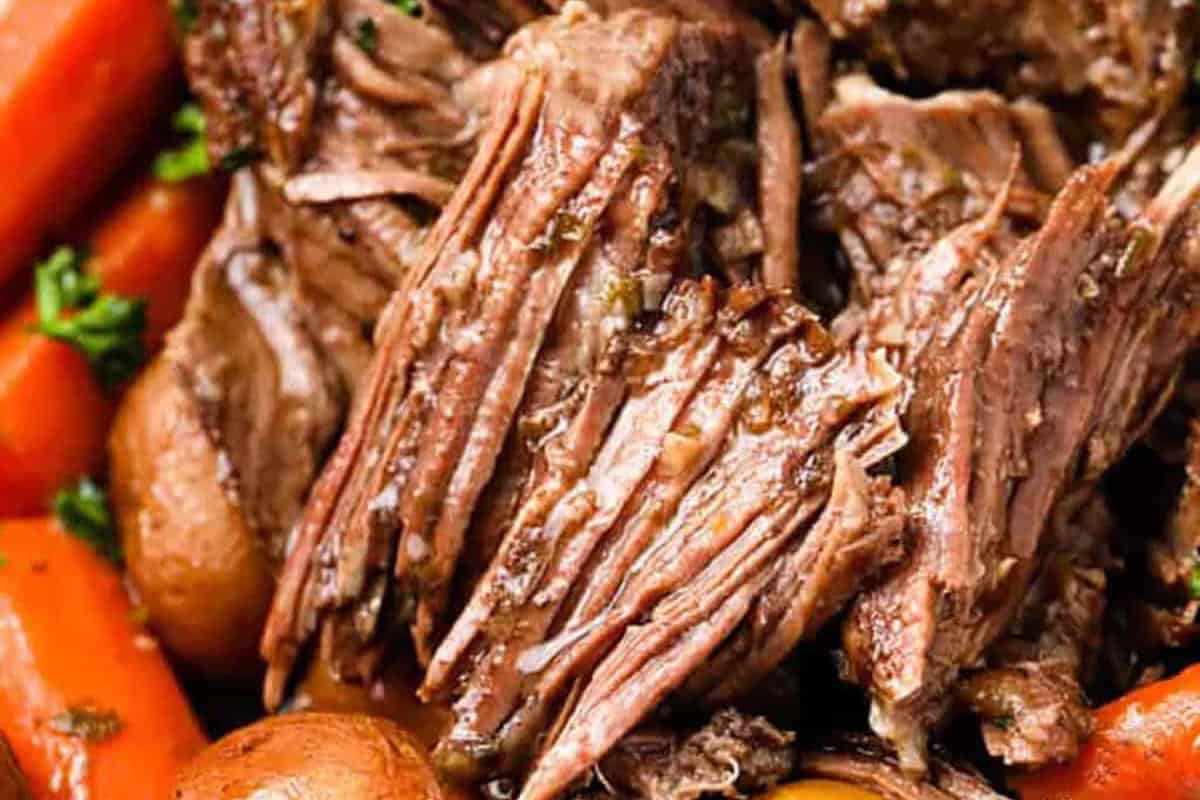
There are few dishes that evoke the warmth and nostalgia of home quite like a classic pot roast. It’s more than just a meal; it's a culinary hug, a centerpiece for family gatherings, and a testament to the magic of slow cooking. But achieving that elusive perfect pot roast—one with meat so tender it falls apart with a gentle nudge, bathed in a rich, savory gravy, and accompanied by perfectly cooked vegetables—can feel like a culinary quest. Fear not, aspiring home chefs! This comprehensive guide will arm you with the knowledge and techniques to create an unforgettable pot roast recipe that will have everyone asking for seconds.
The secret lies not in complex techniques, but in understanding the fundamentals of braising, selecting the right ingredients, and embracing patience. From the initial sear to the long, gentle simmer, every step plays a crucial role in transforming simple cuts of beef and garden vegetables into a symphony of flavors and textures.
Selecting Your Star: The Indispensable Chuck Roast
The foundation of any great pot roast is, without a doubt, the cut of meat. While various cuts can be braised, the undisputed champion for a truly tender, flavorful pot roast is the
chuck roast. Here’s why:
*
Marbling Matters: Chuck roast, sourced from the shoulder of the cow, is generously marbled with intramuscular fat and connective tissue. While these elements make it tough for quick cooking methods, they are precisely what make it ideal for slow braising. Over hours of low, moist heat, the fat renders, and the collagen in the connective tissue breaks down into gelatin. This transformation results in incredibly tender, moist, and flavorful meat that practically melts in your mouth.
*
Flavor Bomb: Beyond tenderness, chuck roast boasts a rich, beefy flavor that stands up beautifully to long cooking times and the robust flavors of the braising liquid.
While chuck roast is highly recommended, other cuts like brisket or bottom round can also work, though they may require slight adjustments to cooking time and might not achieve the same level of succulence as a well-cooked chuck.
Essential Supporting Ingredients for Your Pot Roast Recipe:
Once you have your star, it’s time to gather the supporting cast that will build the iconic flavors and textures of your pot roast:
*
Aromatic Vegetables: Carrots, potatoes, and onions are non-negotiable. Celery often joins this classic trio, contributing a subtle earthy note. These vegetables not only absorb the rich flavors of the braising liquid but also release their own, enriching the overall dish.
*
Braising Liquid: A high-quality beef broth is paramount. For added depth and complexity, consider incorporating red wine, a splash of Worcestershire sauce, or even a dollop of tomato paste. These ingredients contribute umami and acidity, balancing the richness of the meat.
*
Herbs and Spices: Fresh rosemary, thyme, and bay leaves are classic choices that infuse the pot roast with an aromatic, rustic essence. Don't shy away from freshly cracked black pepper and a generous pinch of salt. Garlic, minced or whole cloves, is also a welcome addition.
The Art of Braising: Mastering Tenderness and Flavor
Braising is a cooking method that involves searing meat at a high temperature, then slowly cooking it in a covered pot with a small amount of liquid. It’s the ultimate technique for transforming tougher cuts into incredibly tender and flavorful dishes.
1.
The Crucial Sear: Do not skip this step! Pat your chuck roast dry thoroughly with paper towels. Season generously with salt and pepper. Heat a heavy-bottomed pot or Dutch oven (or the insert of your slow cooker if it’s stovetop safe) over medium-high heat with a tablespoon or two of oil. Sear the roast on all sides until a deep, golden-brown crust forms. This caramelization creates an incredible depth of flavor known as the Maillard reaction, which is fundamental to a great pot roast. Remove the seared roast and set aside.
2.
Building the Flavor Base: In the same pot, sauté chopped onions until softened and lightly browned. Add garlic and cook for another minute until fragrant. If using, stir in tomato paste and cook for a minute to deepen its flavor. Deglaze the pot with a splash of red wine or beef broth, scraping up any browned bits from the bottom – these are packed with flavor!
3.
The Braising Liquid: Return the seared roast to the pot. Pour in enough beef broth (and wine, if using) so that the liquid comes about halfway to two-thirds up the sides of the roast. Add your chosen herbs (rosemary, thyme, bay leaves).
4.
Slow and Steady Wins the Race:
*
Slow Cooker Method: This is arguably the easiest and most consistent method. Transfer the seared roast and liquid to your slow cooker. Cook on
LOW for 6-8 hours or on
HIGH for 3-4 hours, or until the meat is fork-tender. Add your chopped carrots and potatoes about 2-3 hours before the end of the cooking time on low, or 1-1.5 hours on high, to prevent them from becoming mushy. For a highly recommended slow cooker approach, check out this guide:
Ultimate Slow Cooker Pot Roast: Tender Comfort Food Perfection.
*
Oven Braising (Dutch Oven): Preheat your oven to 300°F (150°C). Cover the Dutch oven tightly with its lid (or foil if your lid isn't tight). Braise in the oven for
3-4 hours, or until the meat is incredibly tender. Add vegetables during the last hour or so of cooking.
5.
Rest and Gravy: Once the pot roast is fall-apart tender, carefully remove the meat and vegetables from the pot. Tent the meat loosely with foil and let it rest for 10-15 minutes. Skim any excess fat from the braising liquid. To make gravy, you can thicken the remaining liquid by bringing it to a simmer and stirring in a slurry of cornstarch and water (or flour and water) until it reaches your desired consistency. Season to taste.
Beyond the Classic: Elevating and Personalizing Your Pot Roast
While the classic pot roast recipe is perfect in its simplicity, there are many ways to enhance and personalize your dish, making it truly your own.
*
Umami Boosters: A dash of fish sauce (don't worry, it won't taste fishy!), soy sauce, or dried mushrooms (rehydrated and chopped) can amplify the savory depth.
*
Acid for Balance: A squeeze of fresh lemon juice or a splash of red wine vinegar just before serving can brighten the rich flavors and cut through the richness of the meat.
*
Spice it Up: For a different twist, consider adding a pinch of smoked paprika, a touch of chipotle powder for a subtle smoky heat, or even a few star anise pods during braising for an aromatic, exotic note.
*
Regional Twists:
*
French Onion Pot Roast: Sauté thinly sliced onions until deeply caramelized, deglaze with dry sherry or white wine, and add a bay leaf. Serve with crusty bread and a sprinkle of Gruyère cheese.
*
Mediterranean Pot Roast: Incorporate sun-dried tomatoes, Kalamata olives, oregano, and a splash of balsamic vinegar into your braising liquid.
*
Indian-Inspired Pot Roast: Add ginger, garlic, turmeric, garam masala, and a can of diced tomatoes to your braising liquid for a fragrant and flavorful curry-like pot roast.
Don't be afraid to experiment with your favorite flavors and ingredients. The beauty of a pot roast recipe lies in its adaptability!
A Second Life: Creative Leftover Pot Roast Recipes & Zero Waste
One of the greatest joys of making a large pot roast is the promise of delicious leftovers. Transforming these tender, flavorful remnants into entirely new meals is not only a culinary delight but also a fantastic way to reduce food waste, contributing to a more sustainable kitchen. Rather than simply reheating the same meal, you can repurpose the slow-cooked beef and its accompanying vegetables and gravy into distinct dishes that feel fresh and exciting. To explore a wide range of inspiring ideas, be sure to visit
Transform Leftover Pot Roast: Creative Meals & Zero Waste.
The process typically involves shredding or chopping the leftover beef, which allows it to integrate seamlessly into new preparations while preserving its signature texture and rich taste. Here are some widely recommended and incredibly delicious transformations:
*
Sensational Sandwiches:
*
French Dip: Slice or shred the beef, warm it, and pile it onto crusty rolls. Serve with a side of the leftover braising liquid (au jus) for dipping.
*
Philly Cheesesteak Style: Sauté shredded pot roast with caramelized onions and bell peppers, top with provolone or cheese sauce, and serve on hoagie rolls.
*
Sliders: Mini buns filled with shredded beef, Swiss cheese, and a dollop of horseradish sauce or barbecue sauce make excellent appetizers or light meals.
*
Mexican Fiesta:
*
Tacos, Burritos, Quesadillas, or Enchiladas: Shred the beef, season it with taco spices, chipotle, or a touch of barbecue sauce, and use it as a filling for your favorite Mexican-inspired dishes. The original gravy can often be thinned out and used as an enchilada sauce.
*
Nachos: Layer tortilla chips with shredded pot roast, cheese, jalapeños, and your favorite toppings for a hearty snack.
*
Hearty Baked Dishes:
*
Shepherd's Pie: Combine shredded pot roast and leftover vegetables with gravy, top with creamy mashed potatoes (or even leftover mashed potatoes!), and bake until bubbly and golden.
*
Pot Pie: Similar to shepherd's pie, but topped with a flaky pastry crust instead of mashed potatoes.
*
Breakfast & Brunch Brilliance:
*
Hash: Dice the beef and sauté with potatoes, onions, and bell peppers until crispy. Top with a fried egg for a hearty breakfast.
*
Frittata: Incorporate diced pot roast and vegetables into an egg frittata for a savory brunch option.
*
Soups and Stews:
* Enrich leftover gravy or beef broth with shredded pot roast, additional vegetables, and perhaps some noodles or rice for a quick, comforting soup.
*
Pasta Perfection:
*
Ragu: Shred the beef and simmer it in a tomato-based sauce for a rich, hearty pasta ragu.
*
Casseroles: Combine pot roast with pasta, a creamy sauce, and cheese, then bake for a comforting casserole.
These creative leftover ideas not only prevent food waste but also offer convenient, delicious meals that maximize the value and flavor of your initial effort.
The Enduring Appeal of Pot Roast
Crafting the perfect pot roast recipe is a journey of patience and appreciation for simple, quality ingredients. From the initial selection of a marbled chuck roast to the final, tender bite, each step contributes to a dish that is deeply satisfying and endlessly comforting. Whether you're gathering your family around the table for a classic Sunday dinner or cleverly transforming leftovers into exciting new meals, pot roast remains a timeless testament to the power of slow cooking. Embrace the process, savor the aromas, and enjoy the unparalleled deliciousness of a perfectly cooked, fall-apart tender pot roast every time.